




Technology has become deeply woven into everyday life, shaping how people work, communicate, create, and stay connected. From smart devices and wearable products to apps, connected ecosystems, and emerging digital experiences, modern technology is no longer limited to specialists or early adopters. It exists in routines, habits, and small daily interactions that often go unnoticed. The most successful products today are not necessarily the most complex, but the ones that feel intuitive, adaptable, and genuinely useful. As consumer expectations continue to evolve, technology is increasingly expected to simplify experiences rather than complicate them.
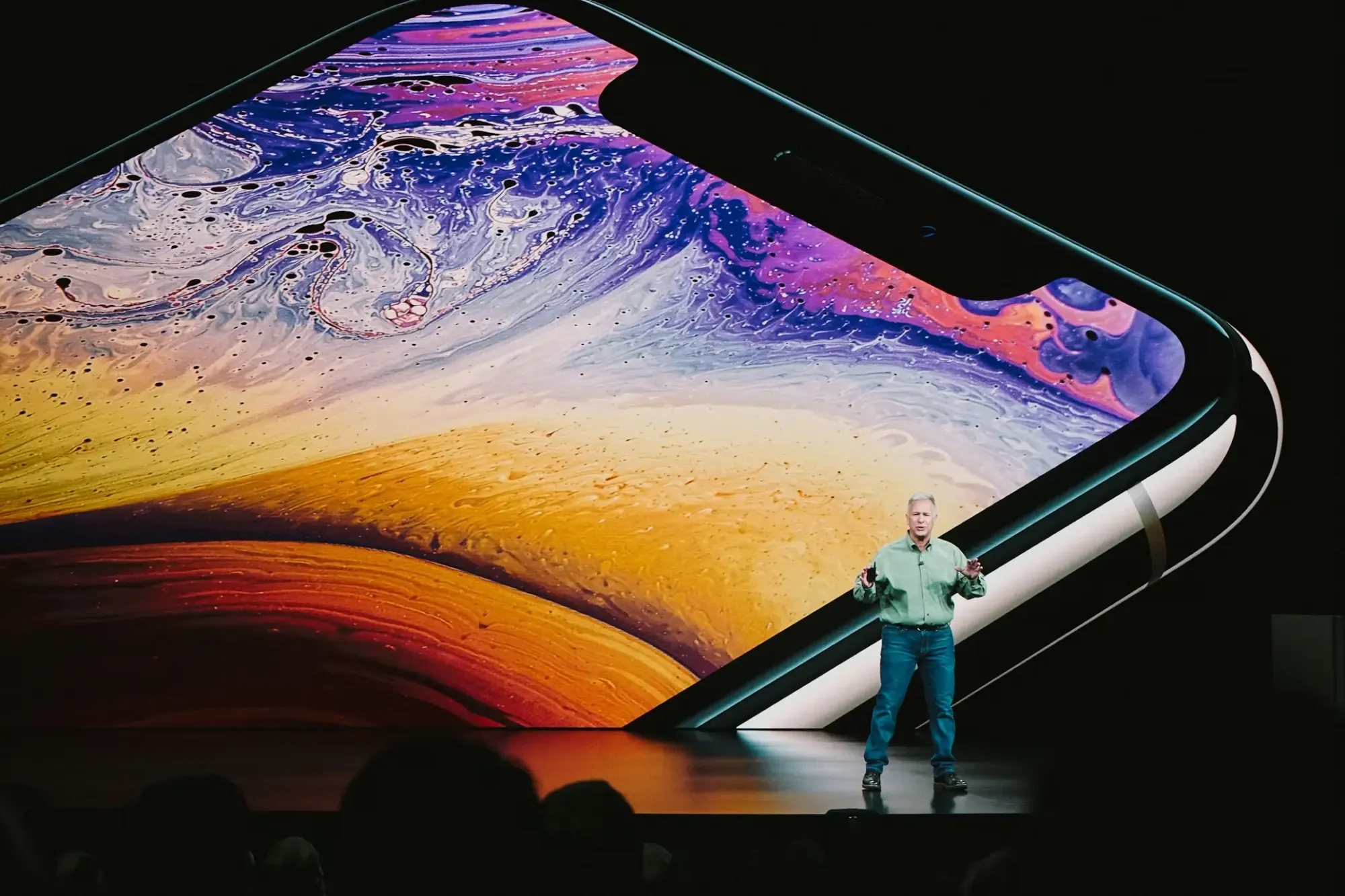
A modern setup featuring connected devices, wearables, and digital products shaping everyday routines. The pace of innovation across consumer technology has accelerated dramatically over the last few years. New devices, platforms, and experiences appear constantly, each promising to improve productivity, entertainment, mobility, or convenience. Yet alongside this rapid growth comes a noticeable shift in priorities. Consumers are paying closer attention to usability, integration, design quality, and long-term practicality instead of simply chasing specifications or novelty. Products are increasingly evaluated by how naturally they fit into real life and whether they solve meaningful problems in a seamless way.
Technology companies are also redefining how products connect emotionally with users. Modern devices are designed not only around functionality but also around identity, comfort, personalization, and aesthetics. Whether it’s the minimalist design of a wearable, the immersive sound profile of modern audio products, or the flexibility of connected ecosystems, technology is becoming more human-centered. The line between digital tools and lifestyle products continues to blur as devices become part of workspaces, travel routines, creative setups, and personal expression.
Technology is best when it brings people closer to what matters.
Stefan Anderson
Why Consumer Technology Continues to Evolve
Consumer technology is constantly adapting to changes in lifestyle, behavior, and digital expectations. As users become more connected and more selective about the products they use, companies are focusing on experiences that feel smarter, simpler, and more integrated into everyday life. Innovation is no longer just about introducing something new — it’s about improving how people interact with technology on a daily basis.


Examples of connected devices, wearables, and digital products designed around modern lifestyles.
Here are five reasons why modern technology continues to evolve so rapidly:
- User Expectations Keep Growing. Consumers now expect products to feel seamless across devices, platforms, and environments. Simplicity, speed, and convenience have become essential rather than optional.
- Connected Ecosystems Matter More. Devices are increasingly designed to work together, creating smoother experiences between smartphones, wearables, audio products, smart home devices, and apps.
- Design Has Become a Competitive Advantage. Modern consumers pay attention not only to features but also to aesthetics, portability, materials, and how products fit into their lifestyles.
- Mobility Is Shaping Product Development. Portable and lightweight devices continue to grow in popularity as people work, travel, and communicate from more flexible environments.
- Technology Is Becoming More Personal. Products are adapting more closely to individual habits, routines, and preferences, creating experiences that feel increasingly intuitive and user-focused.
As the industry continues to evolve, the focus is gradually shifting from pure technical advancement toward more meaningful everyday experiences. Consumers are looking for products that save time, reduce friction, and integrate naturally into modern routines. This change is influencing everything from hardware design and software interfaces to wearable technology and connected ecosystems.
Technology is also becoming more collaborative, adaptive, and experience-driven. The future of consumer innovation will likely be defined not only by faster processors or larger ecosystems, but by how effectively products improve everyday life in practical and human-centered ways. Whether through smarter devices, immersive experiences, or more connected platforms, technology will continue shaping how people interact with the world around them.


